
The Strait of Hormuz: Gateway to Global Energy Trade
Introduction
The Strait of Hormuz is one of the most strategically significant waterways in the world. Located between Iran and Oman, this narrow maritime passage serves as the primary route for oil and natural gas exports from the Middle East to international markets. Due to its immense importance in global energy transportation, the Strait of Hormuz is often referred to as the world’s most critical oil chokepoint.
Any disruption in the Strait of Hormuz can have far-reaching consequences for global trade, energy prices, and international security. Understanding the significance of the Strait of Hormuz is essential for anyone interested in geopolitics, international trade, and global energy markets.
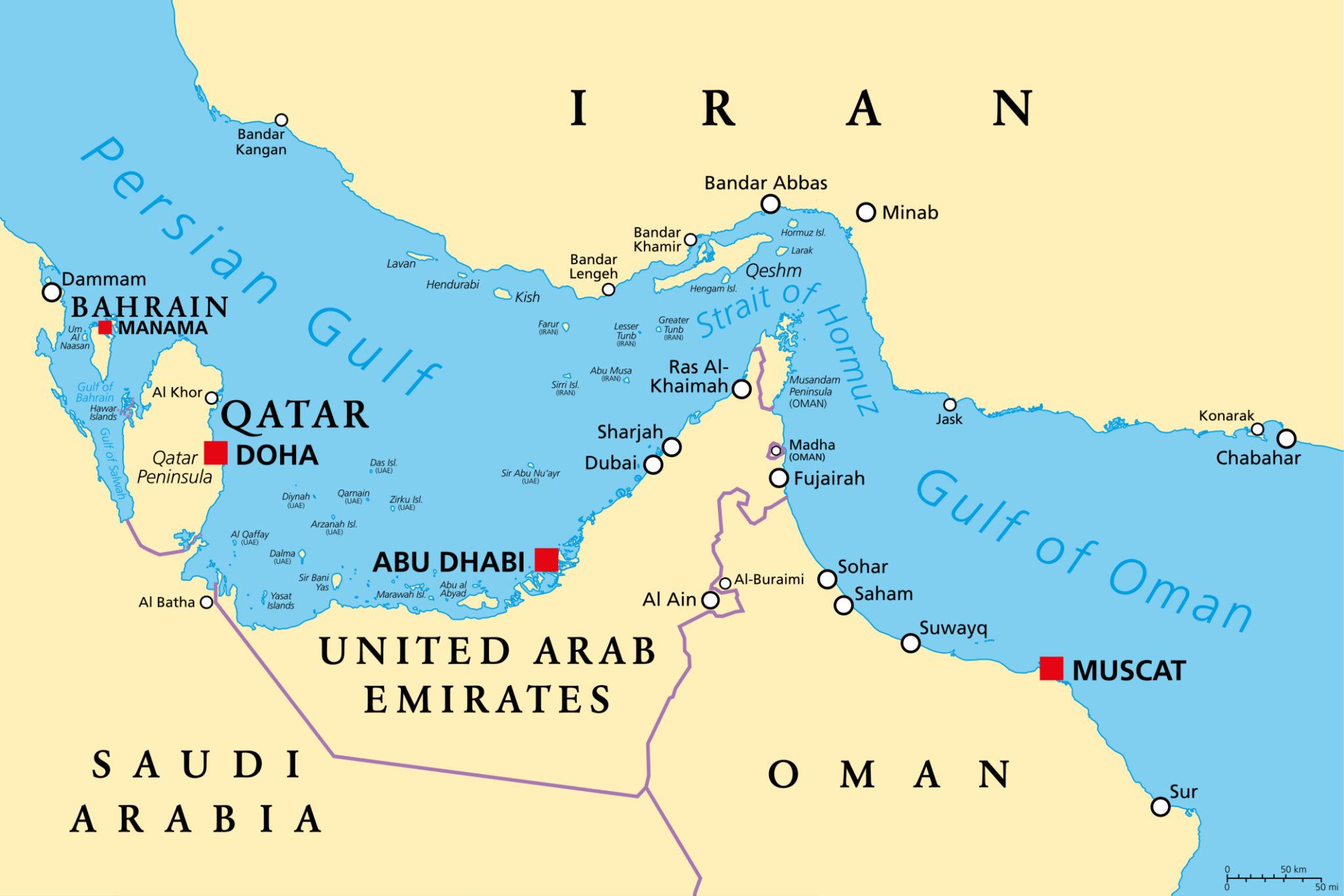
Where is the Strait of Hormuz Located?
The Strait of Hormuz is situated between: Iran to the north Oman and the United Arab Emirates to the south It connects the: Persian Gulf in the west Gulf of Oman in the east The strait ultimately provides access to the Arabian Sea and the wider Indian Ocean. At its narrowest point, the Strait of Hormuz is approximately 33 kilometers (21 miles) wide, making it a vulnerable and strategically sensitive maritime route.
Historical Significance of the Strait of Hormuz
The Strait of Hormuz has been important for centuries. Historically, it was a vital route for merchants trading spices, textiles, pearls, and other valuable goods between Asia, Africa, and Europe.
The region derives its name from the historic Kingdom of Hormuz, which flourished as a major trading center during the medieval period.
Over time, the waterway evolved from a regional trade route into a globally significant energy corridor.
Strategic and Military Importance
The Strait of Hormuz is not only an economic lifeline but also a key military and geopolitical hotspot.
Several nations maintain a strong naval presence in the region due to its strategic value. The waterway has frequently been at the center of tensions involving:
- Iran
- United States
- Gulf Cooperation Council countries
- International maritime security forces
Military exercises, sanctions, and regional conflicts often draw global attention because any instability in the Strait of Hormuz can affect international energy supplies.
Economic Impact on the World
1. Global Oil Supply
The Strait of Hormuz is essential for transporting crude oil from major producers to consumers worldwide.
2. LNG Exports
The waterway is especially important for LNG exports from Qatar, one of the world’s largest natural gas exporters.
3. International Shipping
Thousands of commercial vessels use the route annually, making it one of the busiest shipping corridors on Earth.
4. Energy Prices
Even rumors of disruptions in the Strait of Hormuz can cause international oil prices to rise sharply due to fears of supply shortages.
Major Challenges Facing The Strait of Hormuz
1. Geopolitical Tensions and Regional Rivalries
One of the biggest challenges facing The Strait of Hormuz is the ongoing geopolitical tension between countries in the Middle East. The strait lies between Iran and Oman, while major oil-exporting nations such as Saudi Arabia, the United Arab Emirates, Kuwait, Iraq, and Qatar rely heavily on this route for their energy exports.
Political disputes, economic sanctions, military confrontations, and diplomatic disagreements can create uncertainty in the region. Whenever tensions rise between Iran and Western nations, especially the United States, concerns emerge about the safety of shipping routes. Such tensions can affect investor confidence, disrupt trade flows, and lead to fluctuations in global oil prices.
The strategic importance of the Strait of Hormuz means that even minor political incidents can quickly attract international attention and influence global markets.
2. Threat of Military Conflict
The Strait of Hormuz is one of the most militarized waterways in the world. Naval forces from several countries regularly patrol the area to protect commercial shipping and maintain maritime security.
Potential military challenges include:
- Naval confrontations
- Missile attacks
- Drone strikes
- Maritime blockades
- Armed conflicts between regional powers
Any military escalation in the region could disrupt shipping operations and create serious risks for merchant vessels. Since a large share of global oil supplies passes through this narrow passage, even temporary disruptions can have significant economic consequences worldwide.
A military conflict in the Strait of Hormuz would not only affect Middle Eastern countries but also major energy-importing nations such as India, China, Japan, and South Korea.
3. Vulnerability of Global Energy Supplies
The world remains heavily dependent on oil and natural gas transported through the Strait of Hormuz. This dependence creates a major strategic vulnerability for the global economy.
Challenges include:
- Excessive reliance on a single shipping route
- Limited alternative export pathways
- Potential supply disruptions during crises
- Increased energy insecurity for importing countries
If shipping traffic through the strait is interrupted, global energy markets can experience immediate shortages. Countries dependent on imported oil may face rising fuel costs, inflation, and slower economic growth.
This concentration of energy transportation through one narrow waterway makes the Strait of Hormuz one of the most critical chokepoints in international trade.
4. Maritime Security Threats
Commercial ships traveling through the Strait of Hormuz face a variety of maritime security risks.
These include:
Piracy and Armed Attacks
Although piracy is less common than in some other regions, merchant vessels remain vulnerable to armed attacks and criminal activities.
Vessel Seizures
In periods of heightened tension, ships may be detained or seized, leading to diplomatic disputes and disruptions in trade.
Sabotage Operations
Critical maritime infrastructure and oil tankers may become targets for sabotage activities that threaten safe navigation.
Cybersecurity Risks
Modern ships rely heavily on digital navigation systems. Cyberattacks targeting shipping companies, ports, or vessel operations can disrupt maritime trade and compromise safety.
5. Environmental Challenges
The Strait of Hormuz experiences heavy maritime traffic every day, creating significant environmental concerns.
Oil Spills
Large oil tankers carry millions of barrels of crude oil through the region. Accidental collisions, technical failures, or attacks on vessels can result in devastating oil spills.
Potential consequences include:
- Marine ecosystem destruction
- Damage to fisheries
- Coastal pollution
- Long-term environmental degradation
Marine Biodiversity Loss
Pollution and shipping activities can negatively affect marine species, coral reefs, and coastal habitats.
Climate Change Effects
Rising sea temperatures and changing ocean conditions may further threaten marine ecosystems in and around the Strait of Hormuz.
Environmental protection remains a major challenge due to the strategic and commercial importance of the waterway.
6. Narrow Geography and Navigation Risks
The Strait of Hormuz is relatively narrow, making navigation more challenging than in open seas.
Key risks include:
- Ship collisions
- Congested shipping lanes
- Grounding accidents
- Mechanical failures
Thousands of vessels pass through the strait annually. Any accident involving a large tanker can temporarily block shipping lanes and disrupt international trade.
Because of its limited width, there is little room for error, making navigation safety a constant concern for maritime authorities.
7. Economic Volatility and Oil Price Fluctuations
Global oil markets are highly sensitive to developments in the Strait of Hormuz.
Whenever tensions rise, markets often react immediately due to concerns about potential supply disruptions.
Economic impacts may include:
- Increased crude oil prices
- Higher transportation costs
- Rising inflation
- Increased production expenses
- Slower economic growth
Countries that depend heavily on imported energy are particularly vulnerable to these price shocks.
As a result, the Strait of Hormuz has a direct influence on the global economy far beyond the Middle East.
8. Dependence of Asian Economies
Many Asian countries rely on energy imports transported through the Strait of Hormuz.
Major importers include:
- India
- China
- Japan
- South Korea
Any disruption in the strait can affect industrial production, transportation, and energy security in these nations.
The challenge for these countries is to diversify their energy sources while maintaining stable access to Gulf energy supplies.
9. Limited Alternative Routes
Although some Gulf countries have developed pipelines that bypass the Strait of Hormuz, these alternatives cannot handle the full volume of oil and gas exports.
Challenges include:
- Insufficient pipeline capacity
- High infrastructure costs
- Geographic limitations
- Dependence on existing export terminals
As a result, the global economy remains highly dependent on uninterrupted access through the Strait of Hormuz.
10. International Security and Diplomatic Coordination
Ensuring safe navigation through the Strait of Hormuz requires cooperation among multiple nations and international organizations.
Major challenges include:
- Coordinating naval operations
- Preventing military escalation
- Managing regional disputes
- Protecting commercial shipping
- Maintaining freedom of navigation
Achieving long-term stability requires continuous diplomatic engagement, confidence-building measures, and international cooperation.
Why the Strait of Hormuz is Important for India
The Strait of Hormuz is a narrow waterway connecting the Persian Gulf with the Gulf of Oman and the Arabian Sea. Most oil and natural gas exported from Gulf countries passes through this route before reaching India and other Asian nations.
For India, the Strait is important because it is:
- A major route for crude oil imports
- A critical route for LNG imports
- Essential for LPG supplies
- Important for fertilizer and petrochemical imports
- A key maritime trade corridor
India’s Dependence on the Strait of Hormuz
India imports energy from several Gulf countries, including:
- Iraq
- Saudi Arabia
- United Arab Emirates
- Kuwait
- Qatar
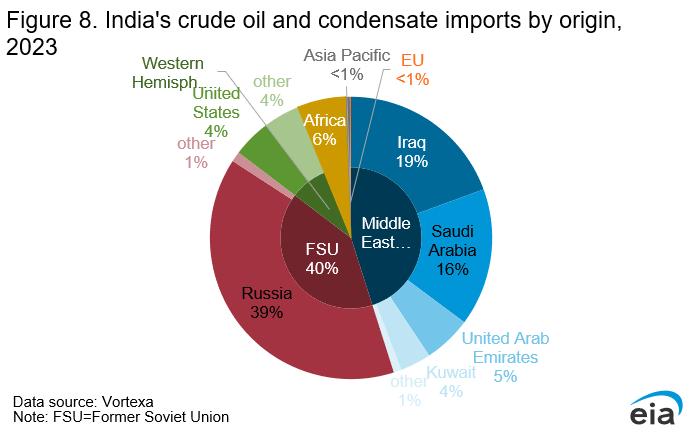
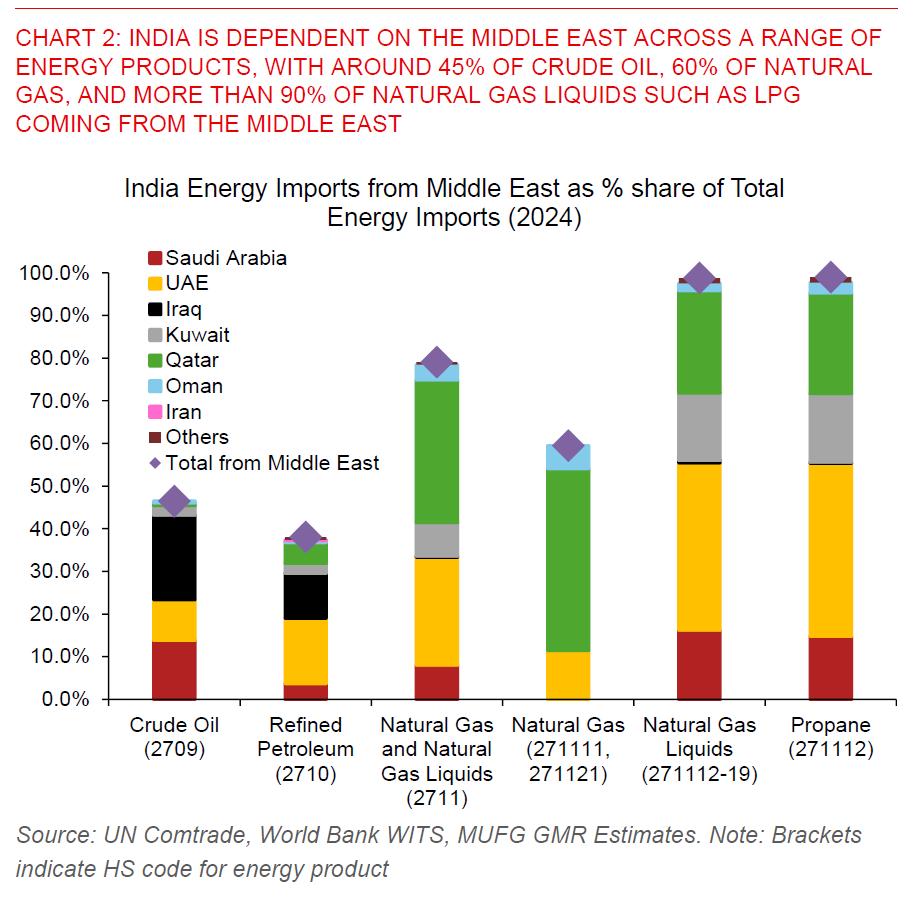
A substantial share of India’s oil imports and more than half of its LNG imports traditionally pass through the Strait of Hormuz. Although India has diversified its sources in recent years, the strait remains one of India’s most important energy routes.
Impact on India’s Energy Security
1. Crude Oil Supply
India consumes millions of barrels of oil every day for:
- Transportation
- Manufacturing
- Aviation
- Power generation
- Petrochemical industries
Nearly half of India’s crude oil imports have historically depended on the Strait of Hormuz, making any disruption a major concern.
If the strait faces disruptions:
- Oil shipments may be delayed.
- Freight charges may rise.
- Insurance costs for tankers may increase.
- Fuel prices in India may surge.
2. LNG (Liquefied Natural Gas) Imports
India imports large quantities of LNG, especially from Qatar.
Natural gas is used for:
- Electricity generation
- Fertilizer production
- Domestic cooking gas
- Industrial fuel
More than half of India’s LNG imports transit through the Strait of Hormuz, making the country vulnerable to disruptions in the region.
3. LPG Supply
LPG is used by millions of Indian households for cooking.
India imports a significant portion of its LPG demand, and most of these imports come from Gulf countries through the Strait of Hormuz. Any prolonged disruption can increase domestic LPG prices and affect household budgets.
Economic Impact on India
Rising Fuel Prices
When tensions increase in the Strait of Hormuz, global crude oil prices often rise.
Higher oil prices can lead to:
- Increased petrol prices
- Increased diesel prices
- Higher transportation costs
- Rising logistics expenses
- Increased production costs
These effects ultimately impact consumers across India.
Inflation
Oil is a critical input for almost every sector of the economy.
When energy prices rise:
- Food transportation becomes costlier.
- Manufacturing expenses increase.
- Electricity generation costs rise.
- Consumer goods become more expensive.
As a result, inflation can increase across the economy.
Trade Deficit
India spends billions of dollars annually on crude oil imports.
If oil prices rise because of instability in the Strait of Hormuz:
- India’s import bill increases.
- Foreign exchange reserves face pressure.
- Trade deficits may widen.
This can affect the value of the Indian Rupee and overall economic growth
Strategic Importance for India’s Foreign Policy
The Strait of Hormuz significantly influences India’s diplomatic relations with Gulf countries.
India maintains strong partnerships with:
- Saudi Arabia
- United Arab Emirates
- Oman
- Qatar
- Iran
These relationships help ensure stable energy supplies and maritime security in the region.
India’s Strategy to Reduce Dependence
Diversification of Oil Sources
India has reduced its dependence on Gulf oil by importing crude from:
- Russia
- United States
- Brazil
- Nigeria
- Angola
Recent disruptions have further encouraged India to source oil from Africa and Latin America.
Strategic Petroleum Reserves
India has established Strategic Petroleum Reserves (SPR) to protect itself from short-term supply disruptions.
These reserves help:
- Maintain fuel supplies during emergencies.
- Reduce panic buying.
- Stabilize domestic markets.
Strategic reserves provide an important buffer during geopolitical crises.
Renewable Energy Development
India is investing heavily in:
- Solar energy
- Wind energy
- Green hydrogen
- Electric vehicles
These initiatives aim to reduce long-term dependence on imported fossil fuels.
Future Outlook
The Strait of Hormuz will continue to play a crucial role in India’s energy security for decades. Despite efforts to diversify suppliers and promote renewable energy, a significant portion of India’s oil, LNG, and LPG imports still depends on this strategic waterway. Recent developments in 2026 have shown how disruptions around the Strait can force Indian refiners to seek alternative crude supplies and adjust operations to maintain fuel availability.
Conclusion
The relationship between The Strait of Hormuz and India is a matter of national importance. The strait serves as India’s primary gateway for energy imports from the Gulf region and directly affects fuel prices, inflation, trade, industrial growth, and national security. While India has successfully diversified some of its energy sources and built strategic reserves, the Strait of Hormuz remains a critical component of India’s energy and economic security. Ensuring stability and freedom of navigation in this waterway will remain a key priority for India in the years ahead.