
Middle East War 2026: Causes, Key Players, Global Impact and Future Outlook
Introduction
The Middle East has once again become the center of global attention due to escalating military confrontations involving Israel, Iran, Hamas, Hezbollah, and several regional and international powers. The Middle East War 2026 is not a single conflict but a combination of interconnected disputes that have intensified geopolitical tensions, humanitarian crises, and economic uncertainty across the world.
This conflict has significant implications for international security, global energy markets, trade routes, and diplomatic relations. Countries around the world, including India, are closely monitoring developments because of their impact on oil prices, trade, and regional stability. Recent developments include direct military exchanges between Israel and Iran, continued fighting in Gaza, and military operations in Lebanon involving Hezbollah.
Historical Background of the Middle East Conflict
The roots of the current Middle East crisis can be traced to several longstanding disputes:
1. Israel-Palestine Conflict
The Israel-Palestine issue has remained unresolved for decades. Competing claims over territory, sovereignty, and security have led to repeated wars and uprisings.
2. Iran-Israel Rivalry
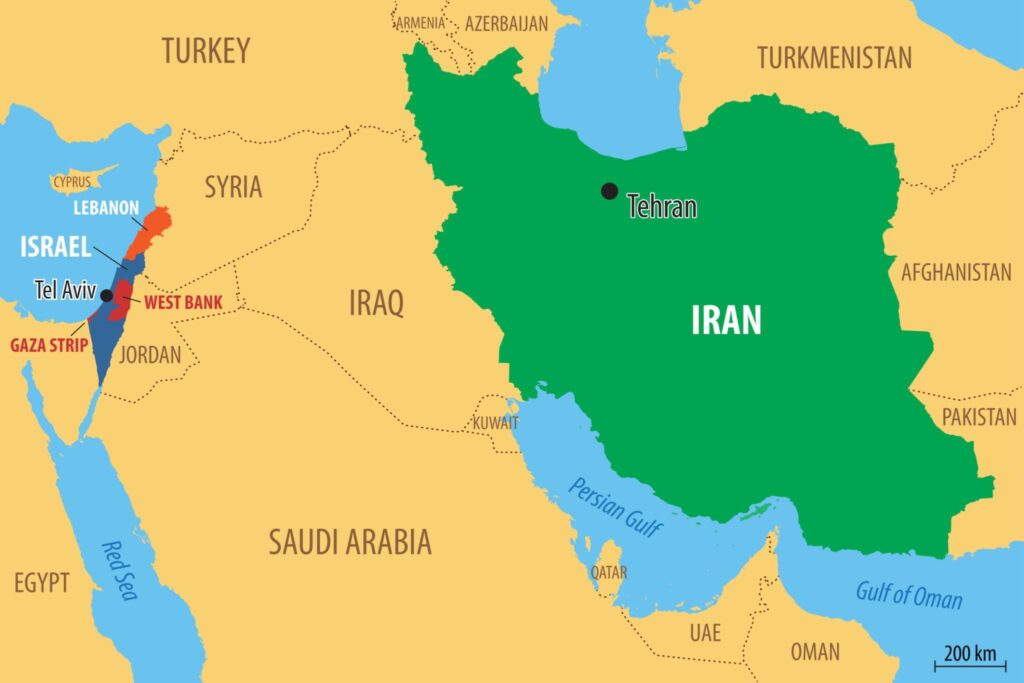
Since the 1979 Iranian Revolution, relations between Iran and Israel have remained hostile. Iran opposes Israeli policies and supports groups such as Hamas and Hezbollah, while Israel considers Iran’s nuclear and missile programs a major security threat.
3. Regional Power Competition
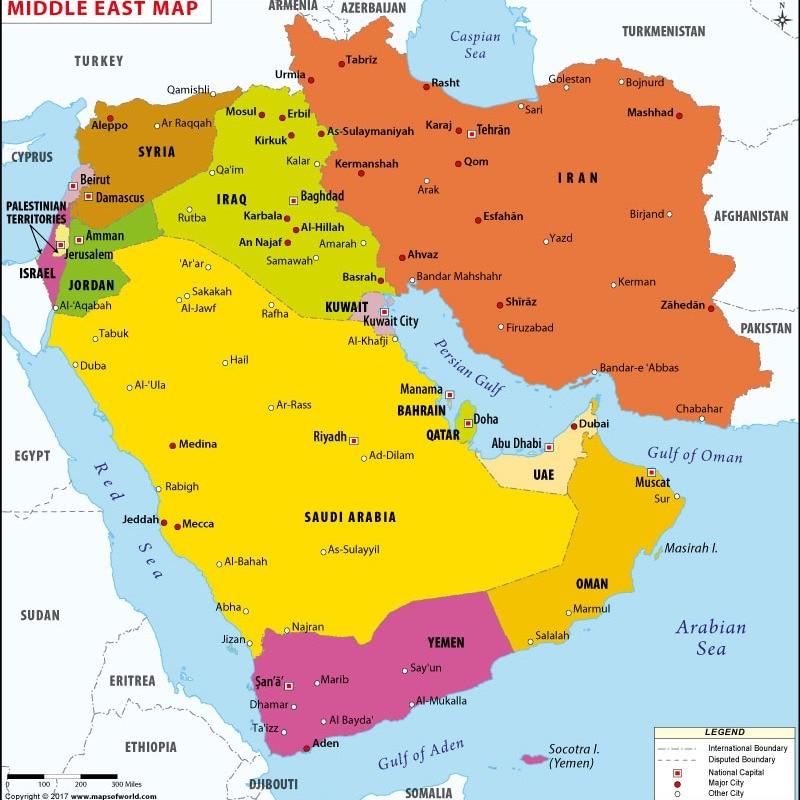
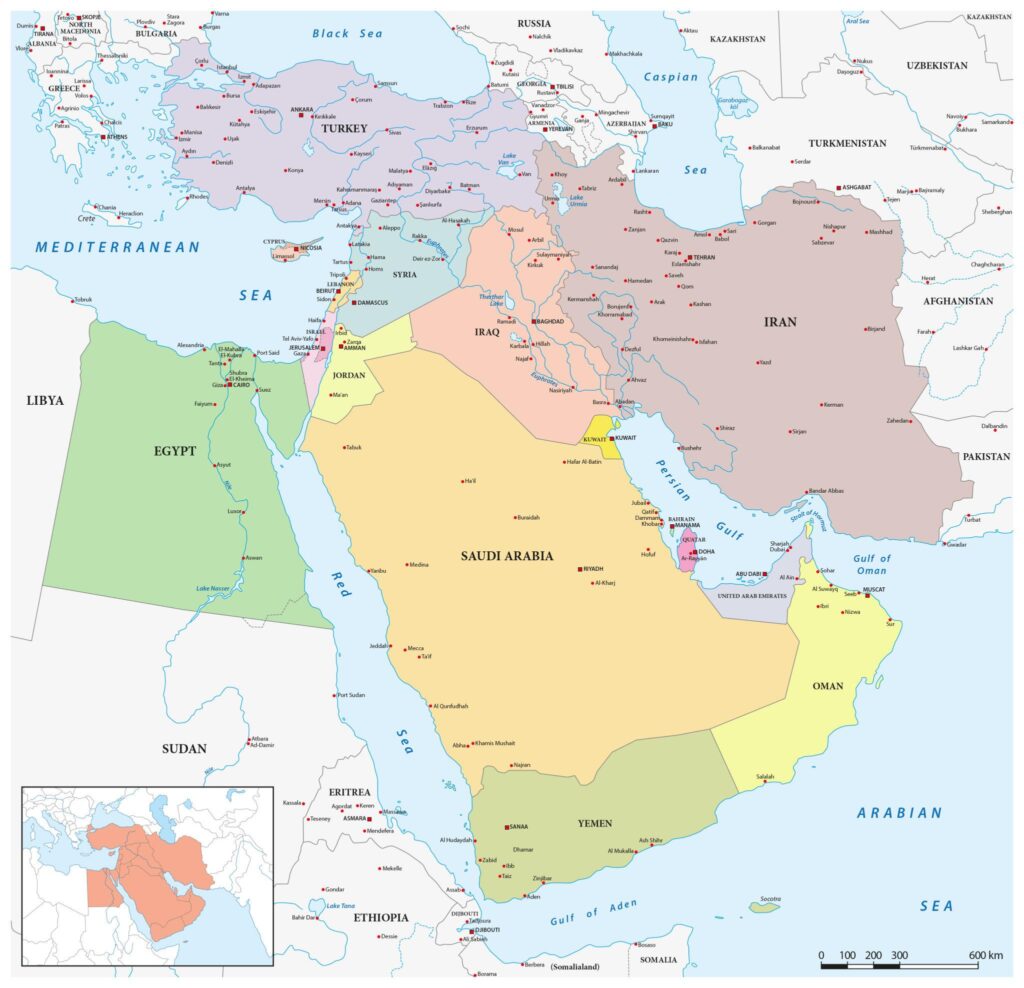
Several countries compete for influence in the Middle East, including:
- Iran
- Israel
- Saudi Arabia
- Turkey
- United States
These competing interests often transform local conflicts into regional crises.
Major Causes of the Middle East War 2026
Iran’s Nuclear Program
One of the most significant factors behind the conflict is concern over Iran’s nuclear capabilities. Israel and the United States have repeatedly expressed fears that Iran could develop nuclear weapons, which Iran denies. Failed diplomatic efforts and growing mistrust contributed to military escalation.
Support for Proxy Groups
Iran supports several armed groups across the region, including Hamas and Hezbollah. Israel views these organizations as direct threats to its national security.
Security Concerns
Israel argues that military action is necessary to prevent future attacks and reduce the military capabilities of hostile groups operating near its borders.
Strategic Control of the Region
Control over important waterways, energy resources, and strategic territories remains a central factor in Middle Eastern geopolitics.
Main Participants in the Conflict
Israel
Israel has conducted military operations against Hamas in Gaza and Hezbollah in Lebanon while also engaging in direct confrontation with Iran. Israeli leadership has stated that its objective is to eliminate threats posed by hostile groups and prevent future attacks.
Iran
Iran has responded to attacks with missile and drone strikes and continues to play a significant role through its regional alliances. Iranian leaders view their actions as resistance against foreign aggression and regional pressure.
Hamas
Hamas remains a central actor in Gaza and has been involved in continuous conflict with Israel since 2023.
Hezbollah
Hezbollah, based in Lebanon, has engaged in clashes with Israel, contributing to the expansion of conflict beyond Gaza. Recent military operations have extended into southern Lebanon.
United States
The United States remains a key ally of Israel and has played a significant military and diplomatic role in the region. Joint military operations and strategic cooperation have increased during the conflict.
Humanitarian Impact
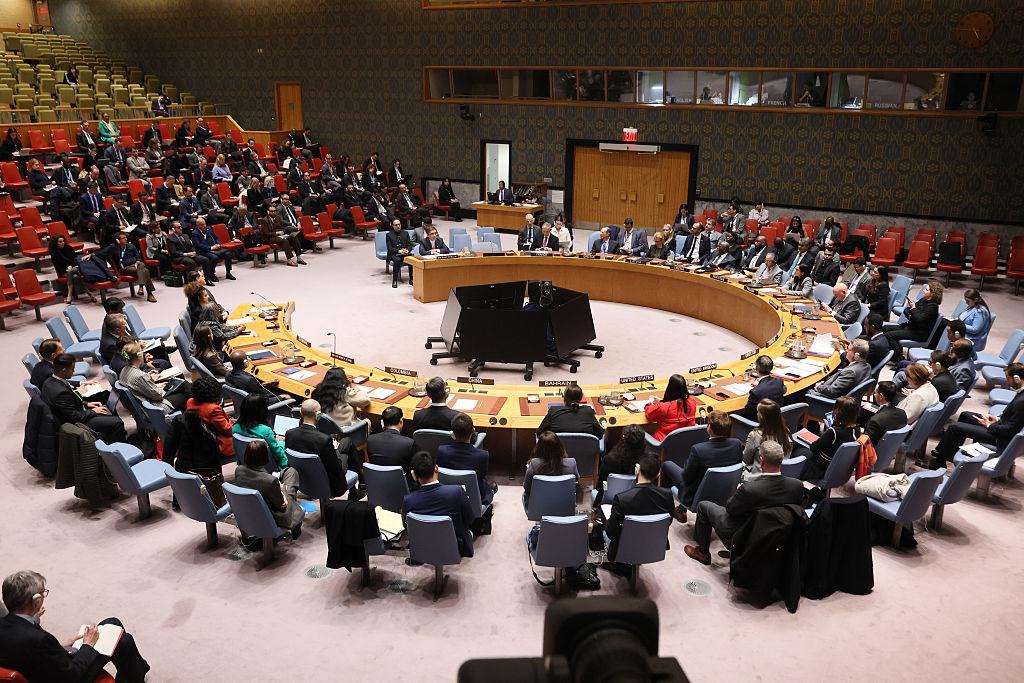
The Middle East War 2026 has created severe humanitarian challenges:
- Thousands of civilian casualties.
- Large-scale displacement of populations.
- Destruction of homes, schools, hospitals, and infrastructure.
- Shortages of food, medicine, and clean water.
- Increased refugee movements across the region.
Humanitarian organizations continue to call for ceasefires and expanded aid access to affected populations.
Economic Impact on the World
Rising Oil Prices
The Middle East produces a significant share of the world’s oil. Any disruption can lead to higher fuel prices globally.
Threat to the Strait of Hormuz
The Strait of Hormuz is among the world’s most important energy corridors. Disruptions in this region can affect global energy supplies and increase transportation costs.
Impact on Global Trade
Shipping companies have rerouted vessels to avoid conflict zones, increasing costs and delays for international trade.
Inflationary Pressure
Higher energy prices often result in:
- Increased transportation costs.
- Higher food prices.
- Rising manufacturing expenses.
- Global inflation.
Impact on India
India has several important interests in the Middle East:
Energy Security
India imports a large portion of its crude oil from Middle Eastern countries. Rising oil prices can increase India’s import bill and inflation.
Indian Diaspora
Millions of Indians live and work in Gulf countries. Escalation of conflict may affect employment, remittances, and safety of Indian citizens abroad.
Trade and Shipping
Any disruption in Gulf shipping routes can affect Indian exports and imports, increasing costs for businesses and consumers.
International Diplomatic Efforts
Several countries and international organizations are attempting to reduce tensions:
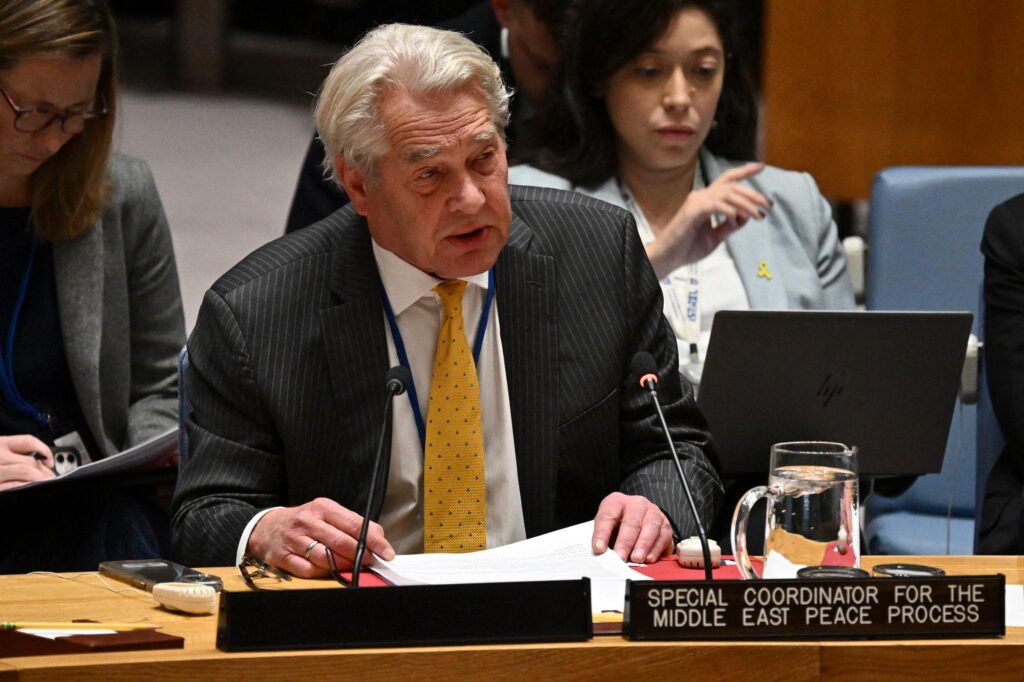
- United Nations mediation efforts.
- Regional diplomatic initiatives.
- Ceasefire negotiations.
- Humanitarian assistance programs.
- Security discussions involving major powers.
Despite these efforts, achieving a long-term solution remains difficult due to deep-rooted political and security disagreements.
Future Outlook
Experts believe that the future of the Middle East War 2026 depends on several factors:
- Success of diplomatic negotiations.
- Stability of ceasefire agreements.
- Resolution of nuclear concerns.
- Reduction of proxy warfare.
- International cooperation for regional security.
While periods of de-escalation may occur, underlying tensions suggest that lasting peace will require comprehensive political agreements and regional cooperation.
Conclusion
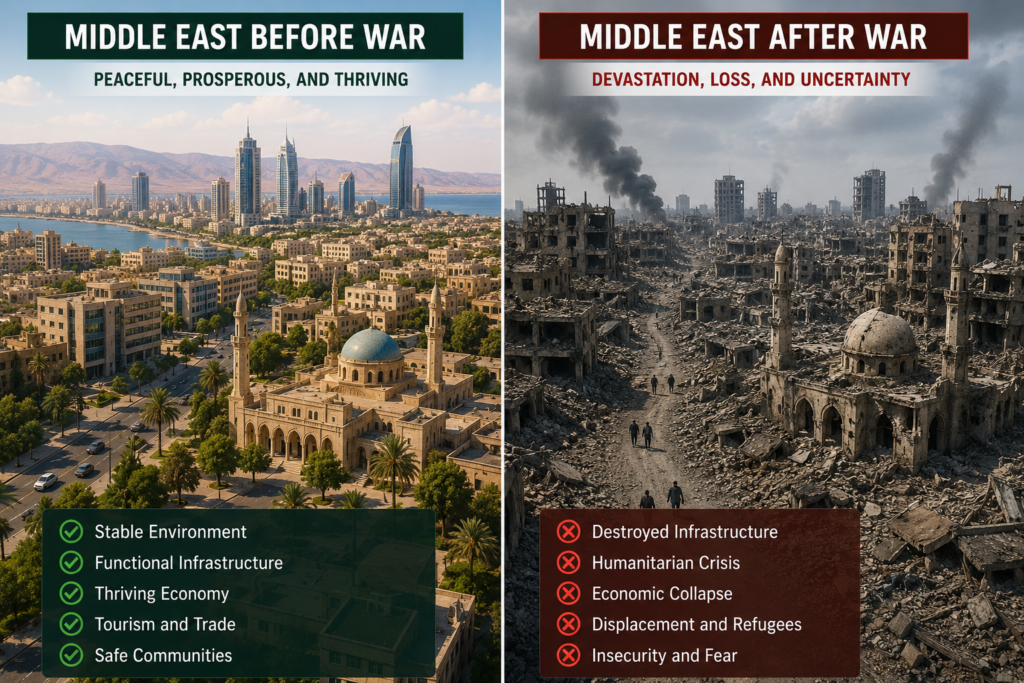
The Middle East War 2026 represents one of the most significant geopolitical crises of recent years. Rooted in historical rivalries, security concerns, and regional power struggles, the conflict has expanded beyond local boundaries to affect global energy markets, trade, diplomacy, and humanitarian conditions. As the world watches developments closely, diplomatic engagement and peaceful negotiations remain essential for achieving stability in the region.