
Revolt of 1857
Revolt of 1857: Causes, Events, Leaders, and Impact on Indian History
The Revolt of 1857 was one of the most significant events in Indian history and is often considered the first large-scale uprising against British rule in India. It marked the beginning of organized resistance against the policies and administration of the British East India Company. The revolt was not merely a military rebellion; it represented political, social, economic, and cultural dissatisfaction among various sections of Indian society. Although the uprising was eventually suppressed, it played a major role in awakening national consciousness and became an important milestone in India’s struggle for independence.
Background of the Revolt of 1857
The Revolt of 1857 did not emerge suddenly. It was the result of long-term political, economic, social, religious, and military causes that created widespread dissatisfaction among different sections of Indian society. Over time, British policies generated anger among rulers, soldiers, peasants, artisans, and ordinary people. This growing discontent formed the background of the Revolt of 1857, eventually leading to one of the most significant uprisings against British rule in India.
1. Political Background
Political policies adopted by the British created resentment among Indian rulers and princely states.
Annexation Policies
The British expanded their territories through aggressive annexation methods.
One important policy was the Doctrine of Lapse.
Under this policy:
- States without a natural male heir could be annexed by the British.
- Adopted heirs were often not recognized.
- Several kingdoms lost their independence.
States affected included:
- Satara
- Jhansi
- Nagpur
- Sambalpur
The annexation of Awadh in 1856 further increased dissatisfaction because many people viewed it as unjust.
Decline of Traditional Rulers
- Kings and local rulers lost authority.
- Many princes feared losing their kingdoms.
- The Mughal dynasty was gradually losing prestige.
The British decision to end the privileges of Bahadur Shah Zafar also angered many Indians.
2. Economic Background
British economic policies caused severe hardships for various sections of society.
Heavy Taxation
- Peasants faced high land revenue demands.
- Failure to pay taxes often resulted in loss of land.
Decline of Traditional Industries
- British manufactured goods entered Indian markets.
- Local artisans and handicraft industries suffered losses.
- Indian textile industries experienced significant decline.
Exploitation of Resources
- India increasingly became a supplier of raw materials.
- Economic benefits largely favored Britain.
As a result, farmers, craftsmen, and traders became dissatisfied.
3. Social Background
Several social reforms introduced by the British created suspicion among Indians.
Examples include:
- Abolition of Sati
- Promotion of widow remarriage
- Spread of Western education
Although many reforms aimed at social improvement, some people believed that the British intended to interfere with Indian traditions and customs.
Many Indians feared loss of their social identity and cultural practices.
4. Religious Background
Religious concerns also contributed to the background of the Revolt of 1857.
Fear of Religious Interference
Many Indians believed:
- The British intended to convert people to Christianity.
- Missionary activities threatened traditional beliefs.
- Government policies might weaken local religions.
These fears created distrust among both Hindus and Muslims.
5. Military Background
The discontent among Indian soldiers (sepoys) became an important factor.
Discrimination in Army Services
Indian soldiers faced several problems:
- Lower salaries compared with British soldiers
- Limited opportunities for promotion
- Unequal treatment
- Difficult service conditions
General Service Enlistment Act (1856)
This law required soldiers to serve overseas if necessary.
Many soldiers believed crossing the sea could affect religious practices and customs.
6. Immediate Cause: The Cartridge Issue
The immediate trigger of the Revolt of 1857 was the introduction of the new Enfield rifle cartridges.
- Soldiers had to bite open the cartridges before use.
- Rumors spread that cartridges were greased with cow and pig fat.
- Cow fat offended Hindu beliefs.
- Pig fat offended Muslim beliefs.
This created strong resentment among soldiers.
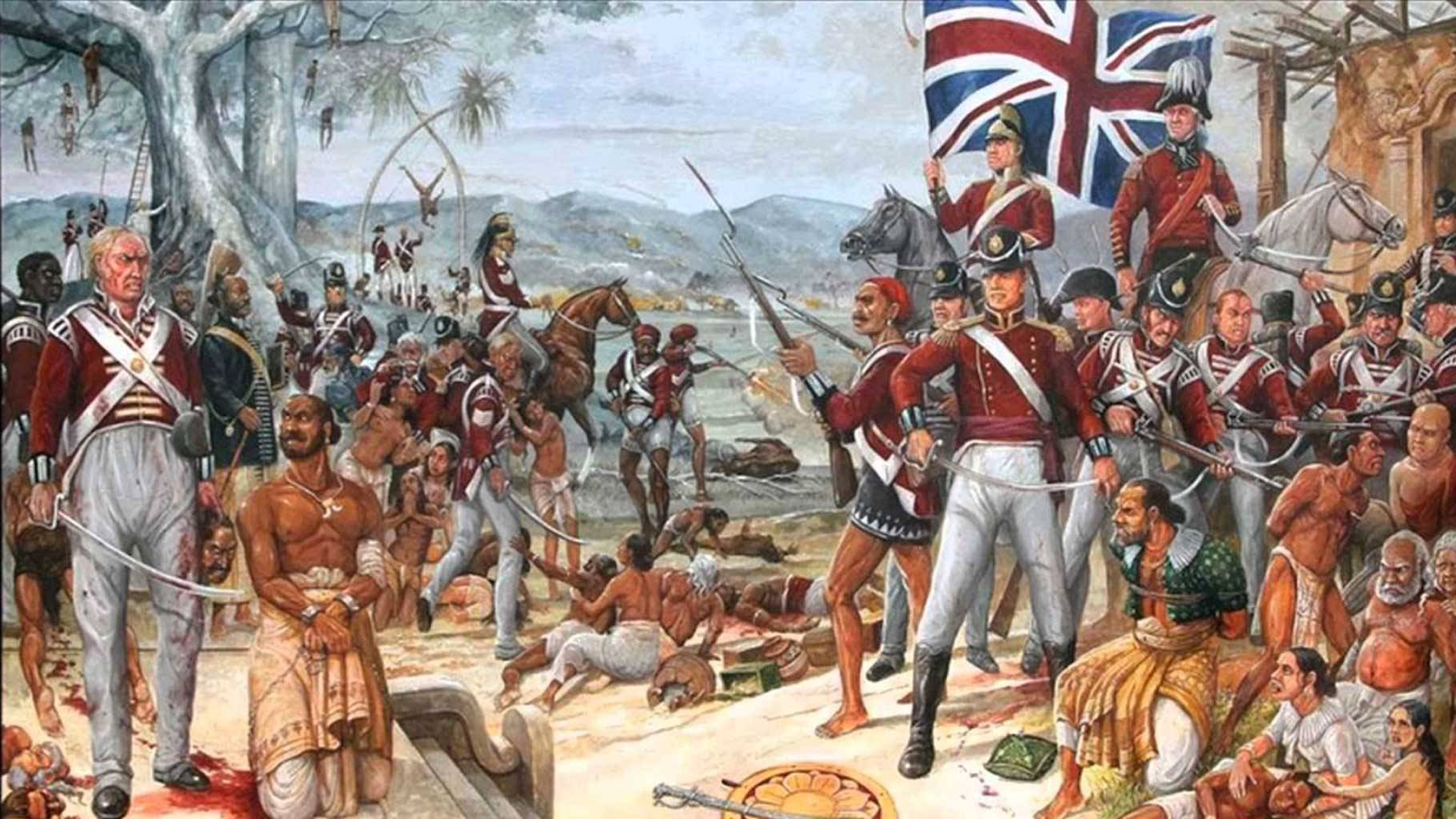
The refusal of soldiers to use these cartridges led to disciplinary action and increased anger.
The resistance of Mangal Pandey at Barrackpore became one of the early signs of open rebellion.
Causes of the Revolt of 1857
1. Political Causes
One of the major reasons behind the revolt was the expansionist policy of the British. The Doctrine of Lapse, introduced by Lord Dalhousie, allowed the British to annex kingdoms if a ruler died without a natural heir. States such as Jhansi, Satara, and Nagpur were annexed under this policy. Many rulers felt threatened and lost trust in British authority.
The annexation of Awadh in 1856 further intensified anger because the British claimed misgovernance as the reason for taking control. Many nobles, officials, and soldiers associated with Awadh became unemployed and dissatisfied.
2. Economic Causes
British economic policies negatively affected various sections of society. Indian industries and handicrafts declined due to the import of British manufactured goods. Traditional artisans and craftsmen lost their livelihoods.
Farmers also suffered due to heavy land taxes and revenue systems introduced by the British. Many peasants were unable to pay taxes and fell into debt. Economic exploitation increased resentment against British rule.
3. Social and Religious Causes
The British introduced several social reforms such as the abolition of Sati and promotion of widow remarriage. While these reforms aimed at social improvement, many people feared British interference in religious practices.
Christian missionaries were also active during this period, leading many Indians to believe that the British intended to convert people to Christianity. This created suspicion and distrust among both Hindus and Muslims.
4. Military Causes
Indian soldiers, known as sepoys, faced discrimination in the British army. They received lower salaries and fewer benefits than British soldiers. Opportunities for promotion were limited, and many soldiers felt disrespected.
The immediate cause of the revolt was the introduction of the new Enfield rifle. Soldiers had to bite cartridges rumored to be greased with cow and pig fat. Since cows were sacred to Hindus and pigs were considered impure by Muslims, this created outrage among soldiers.
Beginning and Spread of the Revolt
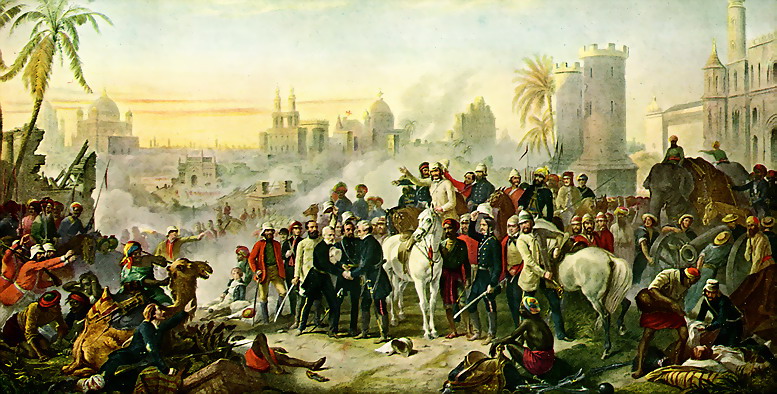
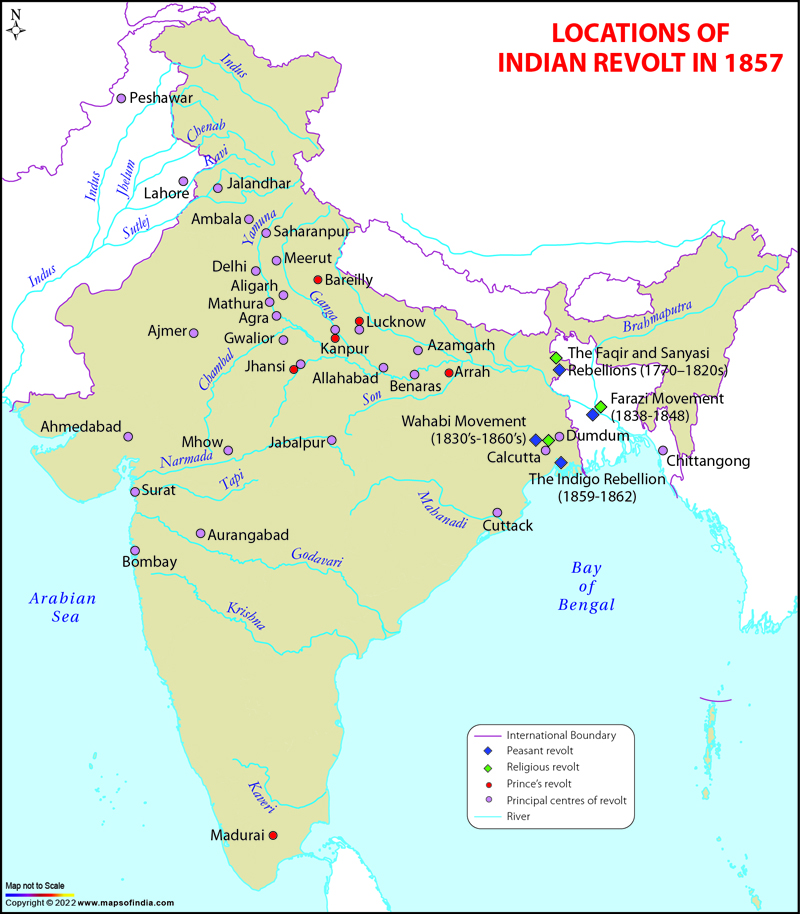
The revolt officially began on 10 May 1857 at Meerut when Indian soldiers rebelled against British officers. The soldiers then marched to Delhi and declared Bahadur Shah Zafar as the emperor of India.
The revolt spread rapidly to various regions including:
- Delhi
- Kanpur
- Lucknow
- Jhansi
- Bareilly
- Bihar
Many local leaders and rulers joined the uprising and fought against British forces.
Leaders of the Revolt of 1857: Roles and Regional Details
Several leaders played an important role in the revolt:
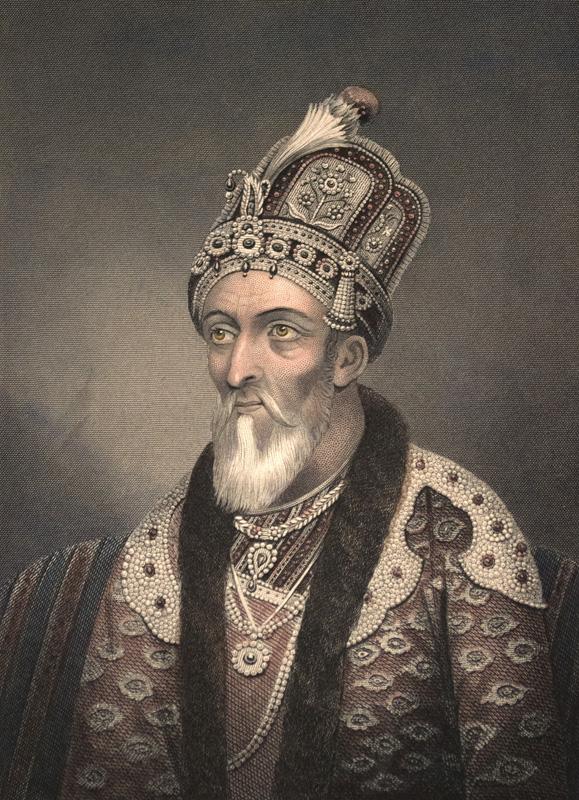
- Bahadur Shah Zafar – Symbolic leader of the rebellion and the last Mughal emperor.
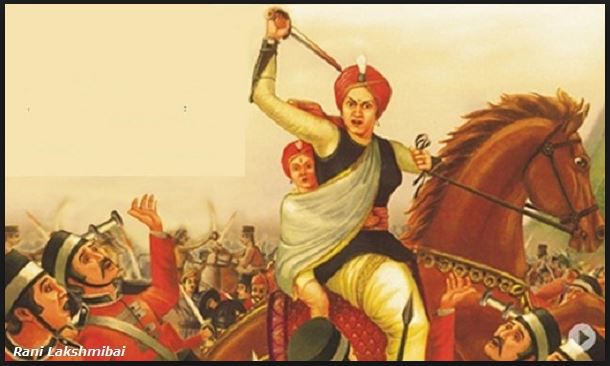
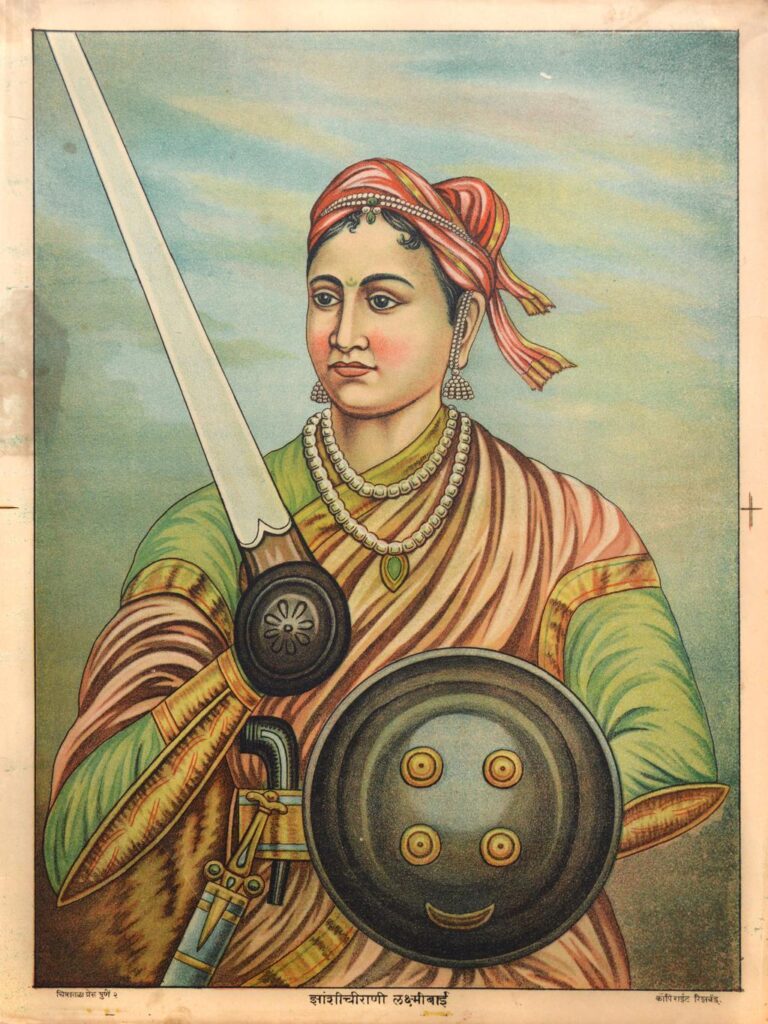
- Rani Lakshmibai of Jhansi – Famous for her courage and resistance against British forces.
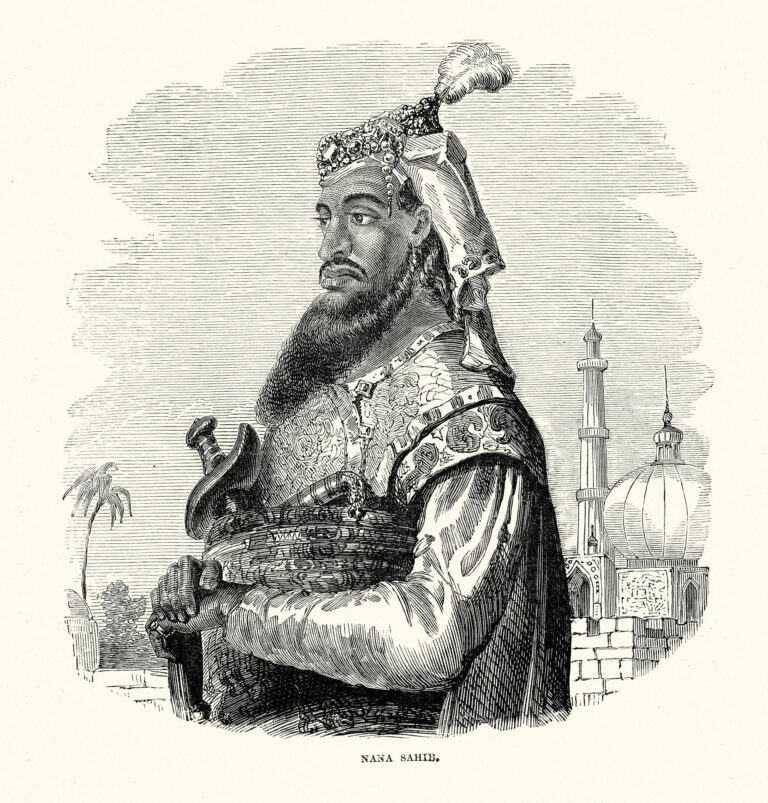
- Nana Sahib – Led the revolt in Kanpur.
- Tantia Tope – A skilled military commander and close associate of Nana Sahib.
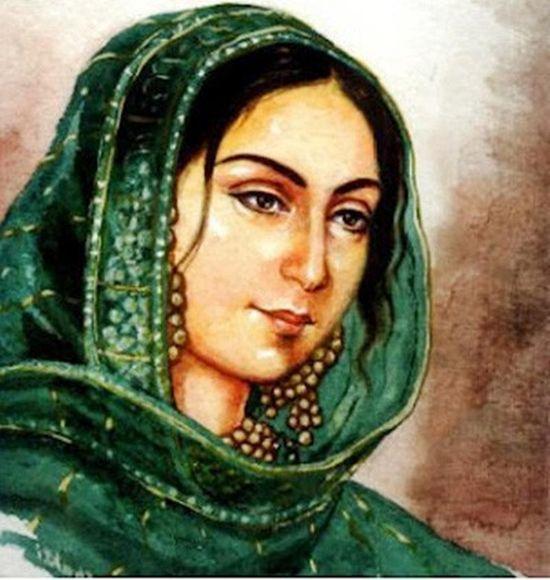
- Begum Hazrat Mahal – Led resistance in Lucknow.
- Kunwar Singh – Played an important role in Bihar.
Their bravery and determination inspired many people to participate in the struggle.
The Revolt of 1857 was not led by a single individual; it spread across different regions of India with local rulers, soldiers, zamindars, and leaders playing important roles. Below is a region-wise overview of the major leaders and their contributions.
Delhi Region
- Last Mughal emperor and symbolic leader of the revolt.
- Rebels from Meerut reached Delhi and declared him the Emperor of India.
- Though elderly and with limited military power, his name gave legitimacy and unity to the uprising.
- After the revolt failed, he was exiled to Burma.
- A former artillery officer from Bareilly.
- Took charge of military operations in Delhi.
- Organized rebel forces and attempted coordinated resistance against British troops.
Kanpur Region
- Adopted son of Peshwa Baji Rao II.
- Opposed British refusal to grant his pension rights.
- Led the revolt in Kanpur and challenged British authority.
- Trusted associate of Nana Sahib.
- Known for military strategy and guerrilla warfare tactics.
- Continued resistance even after Kanpur fell.
Jhansi and Central India
- Queen of Jhansi who resisted British annexation under the Doctrine of Lapse.
- Organized troops and personally fought in battle.
- Became one of the strongest symbols of courage and resistance.
Rao Sahib
- Assisted rebel forces in Central India.
- Worked alongside Tantia Tope after major setbacks.
Lucknow and Awadh Region
- Wife of Nawab Wajid Ali Shah.
- Led resistance in Lucknow after British annexation of Awadh.
- Declared her son as ruler and organized support against the British.
Birjis Qadr
- Declared ruler of Awadh by rebel leaders.
- Served as a symbolic figure under his mother’s leadership.
Bihar Region
Kunwar Singh
- Zamindar of Jagdishpur in Bihar.
- Around 80 years old during the revolt.
- Led armed resistance and defeated British troops in several encounters.
Bareilly and Rohilkhand Region
Khan Bahadur Khan
- Descendant of Rohilla rulers.
- Organized rebellion in Bareilly.
- Established an independent administration against British rule.
Faizabad Region
Maulvi Ahmadullah Shah
- Influential religious leader and freedom fighter.
- Motivated people to join the rebellion.
- Played a major role in Awadh resistance.
Haryana Region
Rao Tula Ram
- Led resistance in Rewari.
- Gathered military resources and support against British forces.
- Attempted to seek external help for the rebellion.
| Region | Leader | Major Role |
|---|---|---|
| Delhi | Bahadur Shah Zafar | Symbolic national leader |
| Delhi | Bakht Khan | Military commander |
| Kanpur | Nana Sahib | Led revolt in Kanpur |
| Kanpur | Tantia Tope | Military strategist |
| Jhansi | Rani Lakshmibai | Led armed resistance |
| Lucknow | Begum Hazrat Mahal | Led Awadh revolt |
| Bihar | Kunwar Singh | Led rebellion in Bihar |
| Bareilly | Khan Bahadur Khan | Organized Rohilkhand revolt |
| Faizabad | Ahmadullah Shah | Mobilized resistance |
| Haryana | Rao Tula Ram | Led revolt in Rewari |
Failure of the Revolt
The Revolt of 1857 was one of the most significant events in Indian history and is often regarded as the first major challenge to British rule in India. Although the movement displayed bravery, unity among several groups, and a strong desire to end foreign domination, it ultimately failed to achieve its objectives. The Revolt of 1857 could not overthrow British rule because of several political, military, organizational, and social weaknesses. Understanding the causes behind the failure of the Revolt of 1857 helps explain why British authority continued for almost ninety more years.
1. Lack of a Unified Leadership
One of the major reasons for the failure of the Revolt of 1857 was the absence of strong and centralized leadership.
- Different leaders operated in different regions independently.
- There was no common command or central authority to coordinate actions.
- Leaders such as Nana Sahib, Rani Lakshmibai, Kunwar Singh, and Begum Hazrat Mahal fought courageously but lacked a united strategy.
- Bahadur Shah Zafar became the symbolic leader, but he did not possess sufficient military power or political control.
As a result, the Revolt of 1857 lacked coordination and direction.
2. Limited Geographical Spread
The Revolt of 1857 did not spread uniformly throughout India.
- The rebellion was concentrated mainly in northern and central India.
- Regions such as Punjab, Bengal, South India, and many western territories remained relatively unaffected.
- Several provinces either stayed neutral or supported the British administration.
Since the Revolt of 1857 did not become a nationwide movement, the British found it easier to suppress isolated rebellions.
3. Lack of Support from Indian Rulers
Many Indian rulers did not participate in the Revolt of 1857.
Some rulers preferred to support the British because of political interests or fear of losing their own positions.
Examples include:
- Scindia of Gwalior
- Salar Jung I
- Sikh rulers and several princely states
The support of these rulers provided the British with troops, resources, and strategic advantages.
4. Military Weakness of the Rebels
The rebels in the Revolt of 1857 faced serious military disadvantages.
- Many rebels used traditional weapons such as swords and old firearms.
- British forces possessed modern weapons and superior artillery.
- British soldiers were professionally trained and organized.
Because of better equipment and military planning, British troops gained an advantage over rebel forces.
5. Lack of Communication and Coordination
Communication among rebel groups was poor during the Revolt of 1857.
- There were no effective communication systems connecting different regions.
- Leaders often acted independently without knowledge of activities in other areas.
- Plans and strategies were not synchronized.
This lack of coordination reduced the effectiveness of the movement.
6. Absence of a Common Goal
Different participants joined the Revolt of 1857 for different reasons.
For example:
- Soldiers protested against military policies.
- Princes wanted restoration of their kingdoms.
- Landowners opposed British land reforms.
- Peasants fought against heavy taxes.
Since there was no single national objective, unity remained weak.
7. British Diplomatic and Strategic Advantages
The British administration used effective diplomatic policies.
They:
- Formed alliances with Indian rulers.
- Used intelligence networks effectively.
- Exploited differences among groups and communities.
- Applied divide-and-rule methods.
These strategies weakened the unity of the Revolt of 1857.
8. Better Transportation and Communication for the British
The British benefited from modern infrastructure.
- Railways helped move troops quickly.
- Telegraph systems enabled rapid communication.
- Supplies and military resources reached battle areas faster.
The rebels did not have similar advantages.
9. Lack of Financial Resources
The Revolt of 1857 suffered from shortages of funds and resources.
- Maintaining armies required money and supplies.
- Rebels lacked stable sources of financial support.
- British authorities had access to greater economic resources.
Without adequate funding, long-term resistance became difficult.
Consequences of the Revolt of 1857
The Revolt of 1857 was a major turning point in Indian history. Although the revolt was suppressed by the British, it produced significant political, administrative, military, economic, and social changes in India. The British government changed its policies and administration after realizing the seriousness of the uprising. The consequences of the revolt influenced the future course of Indian nationalism and British rule in India.
1. End of the East India Company Rule
The most important consequence of the Revolt of 1857 was the end of the rule of the East India Company.
- Before 1857, India was governed by the East India Company.
- The British Parliament held the company responsible for administrative failures and growing dissatisfaction among Indians.
- Through the Government of India Act 1858, the administration of India was transferred directly to the British Crown.
- This marked the beginning of direct British rule in India.
Impact:
India officially came under the control of the British government rather than a trading company.
2. Beginning of British Crown Rule
After the revolt, the British monarch became the supreme authority over India.
Major changes included:
- The office of Governor-General was combined with the title of Viceroy.
- The Viceroy represented the British Crown in India.
- Administrative control became more centralized.
The first Viceroy of India was Lord Canning.
Impact:
British administration became more organized and directly controlled.
3. Queen Victoria’s Proclamation of 1858
The proclamation promised several reforms:
- Equal treatment under law for Indians.
- Non-interference in religious matters.
- Protection of traditional rights and customs.
- Recognition of treaties with Indian princely states.
- Government jobs to Indians based on qualifications.
Impact:
The British attempted to reduce public anger and gain loyalty from Indians.
4. Changes in British Policy Towards Princely States
Before 1857, the British frequently annexed territories using policies like the Doctrine of Lapse.
After the revolt:
- Aggressive annexation policies were largely abandoned.
- Princes and rulers were assured protection.
- Adoption rights of rulers were recognized.
Impact:
Princely states became allies of the British and helped maintain colonial stability.
5. Reorganization of the Army
The revolt revealed weaknesses in the British military structure.
Major military reforms included:
- The number of British soldiers in India increased.
- The proportion of Indian soldiers was reduced.
- Recruitment policies changed.
- Different communities and regions were recruited separately.
Impact:
The British followed a divide-and-control strategy to reduce the possibility of united rebellions.
6. Growth of Divide and Rule Policy
After the revolt, the British feared unity among different sections of Indian society.
Policies increasingly emphasized:
- Religious differences
- Caste distinctions
- Regional identities
- Community divisions
Impact:
These policies created social divisions that affected Indian society for decades.
7. Economic Consequences
The revolt caused heavy financial losses.
Economic effects included:
- Large expenditure on suppressing the rebellion.
- Increased taxes on Indians.
- Expansion of British economic exploitation.
- Greater use of India’s resources for British interests.
Impact:
Many peasants, artisans, and local industries suffered economic hardships.
8. Social and Administrative Changes
The British became more cautious regarding Indian society.
Changes included:
- Greater administrative surveillance.
- Expansion of communication systems such as railways and telegraph lines.
- Increased bureaucratic control.
Impact:
Administrative efficiency improved, but it was primarily intended to strengthen colonial control.
9. Rise of National Consciousness
Although the revolt failed militarily, it created a spirit of resistance.
- Indians recognized the importance of unity.
- Future leaders learned from the revolt’s weaknesses.
- The movement inspired later freedom struggles.
Eventually, organizations like the Indian National Congress emerged and expanded nationalist movements.
Impact:
The revolt laid an early foundation for India’s independence movement.
Conclusion
The Revolt of 1857 was a turning point in Indian history. Although it did not succeed in ending British rule, it laid the foundation for India’s freedom struggle. It united different sections of society against a common enemy and inspired future generations to continue the fight for independence. The revolt remains a symbol of courage, sacrifice, and resistance in India’s journey toward freedom.